Residential Inspections We Offer
Home Buyer Inspections | Pre-Listing Inspections | 11th Month Warranty Inspections | Annual Maintenance Inspections |
New Home Inspections | Pre-Drywall Inspections | Manufactured Home Inspections | 4-Point Inspections | Home Insurance Inspections | Thermal Imagery Scan
Home Buyer Inspections
Choosing to have me inspect your home prior to purchasing is an excellent decision! Unlike a home appraisal, which determines a property’s market value, a home inspection focuses on the current condition and safety of the home. A home inspection is a non-invasive, visual examination of a residential property and a crucial step in the real estate transaction process. It helps both you and the seller understand the property’s condition.
For my inspection, I will examine the property features and your home from top to bottom, including all its major systems and components, in accordance with the Tennessee’s Standards of Practice and InterNACHI’s Standards of Practice for home inspectors. While I will be operating systems that are accessible and safe using normal operating controls, I will not be performing a technically exhaustive inspection (e.g., dismantling appliances, tracing electrical wiring, determining adequate sizing and overall efficiency of systems, etc.). Home inspections are limited to those parts of the home that can be visually observed. Areas hidden behind floor, wall, and ceiling coverings will be disclaimed as unable to be inspected.
My report will provide a description of the major home systems, their components, and their functionality, and will provide recommendations and detailed descriptions and photographs of any concerns or defects that I observe. I will especially highlight any conditions or potential concerns with systems or components that can be costly to repair or their failure may result in a hazardous situation.
Pre-Listing Inspections
A pre-listing inspection identifies defects or issues in your home before you put it on the market. This inspection helps you as a seller address problems in advance, potentially streamlining the selling process and providing buyers with confidence in the home’s condition.
There are several key advantages to having a pre-listing inspection. A pre-listing inspection provides an unbiased assessment of your home’s condition that you can share with potential buyers. The inspection identifies issues that need repair or safety hazards, letting you obtain estimates and complete these repairs in a timely fashion. This means you can avoid last-minute negotiations and disputes over repairs. Secondly, the inspection report helps you set a realistic asking price based on the home’s condition. Most importantly, a pre-listing inspection demonstrates your willingness to be transparent and establishes credibility with the potential buyer.
11th Month Warranty Inspections
It is common for builders to provide a warranty with new construction. This warranty period typically extends for a year after the purchase close. This means that the builder will repair, at no cost to the homeowner, any defects during the warranty period. Any repairs after the warranty period will be at the homeowners expense.
I provide an 11th Month Warranty Inspection before the builder’s one-year warranty expires. This inspection aims to uncover defects in workmanship, materials, or systems that may not have been apparent during the initial inspection or that have emerged over time.
It is important to remember that processing or communication delays can cause claims to extend past the warranty period and lead to denial. Be sure to schedule your inspection early enough to allow you to report repair items to the builder and file a claim. Don’t miss the opportunity to purchase an 11th Month Warranty Inspection in exchange for costly repairs down the road!
Annual Maintenance Inspections
An Annual Home Maintenance Inspection is a routine checkup to assess the condition of a home’s structure and systems. The purpose of this inspection is to identify any potential issues before they become major problems. This inspection covers the property features and all major components of the home (e.g., roof and attic, plumbing, electrical systems, HVAC, windows and doors, structural components, foundation and crawlspace, etc.).
The main goal of an Annual Home Maintenance Inspection is to ensure that all systems are functioning properly and to provide you with a report detailing any necessary repairs or maintenance tasks. Some of the benefits include:
- Preventative Maintenance by Identifying and addressing small issues early that can prevent costly repairs later.
- Documentation for a paper trail of the home’s condition, which can be useful for future sales or insurance purposes.
- Peace of Mind for you as a homeowner gaining confidence in the safety and functionality of you home.
Overall, an annual home maintenance inspection is a proactive approach to home ownership, ensuring that the property remains in good condition over time.
New Home Inspections
A New Home Inspection thoroughly evaluates a newly constructed home before the homeowner moves in. This inspection serves several critical functions in the home buying process. Most importantly, it confirms the property’s safety and quality before the buyer purchases the property.
Key Objectives
- Assess Safety and Quality: The inspection evaluates the overall condition of the home, including structural integrity and the functionality of essential systems.
- Identify Potential Issues: Inspectors look for problems that could affect the property’s value, such as:
- Structural damage
- Electrical system issues
- Plumbing problems
- Heating and cooling system functionality
- Safety hazards (e.g., fire risks)
Benefits for Buyers
- Informed Decision-Making: By revealing any existing or potential issues, a home inspection helps buyers understand the risks associated with the property.
- Negotiation Leverage: When the inspector identifies significant problems, the buyer can request repairs or price adjustments from the seller.
Even new homes can have construction errors or overlooked issues. A New Home Inspection provides peace of mind, ensuring that the property is safe and ready for occupancy. It also serves as a valuable tool for negotiating repairs or adjustments with the builder before finalizing the purchase.
Pre-Drywall Inspections
A Pre-Drywall Inspection is a crucial quality-control step in the home construction process. It takes place after the framing and installation of essential systems, such as plumbing and electrical, but before the drywall is installed. This inspection provides a unique opportunity to assess the internal structure of the home.
Purpose of Pre-Drywall Inspection
The main goals of a pre-drywall inspection include:
- Identifying Defects: I look for structural defects, safety hazards, and installation errors that would be hidden once the drywall is up.
- Quality Assurance: This inspection considers whether components are installed correctly and meet building codes and specifications.
- Cost Efficiency: Addressing issues at this stage is generally less expensive and disruptive than making repairs after drywall installation.
What does a Pre-Drywall inspection involve?
During a pre-drywall inspection, I examine various components, including:
| Component | Inspection Focus |
|---|---|
| Foundation | Cracks, settlement issues, and drainage |
| Framing | Alignment, fire blocking, and structural integrity |
| Electrical Systems | Wiring placement, outlet positioning, and grounding |
| Plumbing | Pipe placement, proper attachment, and drainage |
| HVAC Systems | Duct routing and sealing |
| Insulation | Proper installation and coverage |
Benefits of Pre-Drywall Inspection
- Early Detection: Identifying problems before drywall installation saves time and money.
- Peace of Mind: A thorough inspection gives the homeowners confidence that their new home is in good condition.
- Improved Communication: Detailed reports help facilitate discussions with builders regarding any necessary corrections
A pre-drywall inspection is an essential step in ensuring the quality and safety of a new home. Best of all, you can rest assured that the builder built your home right!
Manufactured Home Inspections
A manufactured home inspection is a thorough evaluation of a manufactured home to assess its condition, safety, and compliance with required building standards. This inspection typically covers key systems such as the roof, plumbing, electrical, and structural integrity, focusing on the unique aspects of manufactured homes compared to traditional houses. This inspection is crucial for identifying potential issues that could affect the home’s value and livability.
The main goal of a manufactured home inspection is to ensure the home is safe, structurally sound, and compliant with current building standards. It helps buyers and owners identify any defects or maintenance needs. Because mobile homes are built in factories and transported to their sites, they are different from traditional homes. They often use lighter materials and have unique construction techniques, foundations, and anchoring methods, requiring specialized knowledge from inspectors.
Regular inspections are essential for maintaining the home’s value and ensuring safety. They are particularly important when buying or selling a manufactured home, as they provide insights into the home’s condition and any necessary repairs.
4-Point Inspections
Unlike our standard home inspection that considers all of the systems and components of your home, a Four-Point Inspection is limited to the evaluation of four major systems: the roof, electrical, plumbing, and HVAC (heating, ventilation, and air conditioning). This type of inspection may be required by insurance companies, especially with older properties, to assess the condition of these systems before issuing or renewing a homeowners insurance policy.
Specifically, a Four-Point Inspection involves:
- Inspecting the roof for damage or wear, proper flashing, areas of potential water leaks, roof penetrations, guttering, etc.
- Evaluating the electrical system, including outlets and receptacles, wiring types and panel conditions, to identify potential wiring defects and fire hazards.
- Assessing the plumbing system for pipe materials, leaks, functional flow, proper drainage and overall condition to prevent water damage.
- Inspecting the HVAC system for functionality and signs of wear.
A Four-Point Inspection helps insurers determine the risk associated with insuring the property and can influence coverage options and premiums. It is a limited visual inspection of major systems and should not be considered as a substitute for a full home inspection.
Home Insurance Inspections
A home insurance inspection is usually an exterior inspection. This inspection is sometimes required by insurance companies to evaluate a property’s condition and determine its replacement cost. This assessment helps insurers identify potential risks that could lead to future claims, which in turn can affect the homeowner’s insurance premium.
Purpose of Home Insurance Inspections
The main objectives of a home insurance inspection include:
- Assessing Replacement Cost: Determining how much it would cost to rebuild the home in case of a total loss.
- Identifying Risks: Evaluating factors that could lead to claims, such as structural issues or safety hazards.
- Calculating Premiums: Using the inspection results to set or adjust the homeowner’s insurance premium.
When Are Inspections Required?
Home insurance inspection needs can vary based on the property and insurer requirements. Inspections are more likely to be required in the following situations:
- Renting a home
- Switching insurance providers
- Insuring an older home (typically over 40 years old)
- Significant renovations or upgrades to the property
In some cases, an inspection may also be required upon policy renewal.
Thermal Imagery Scan

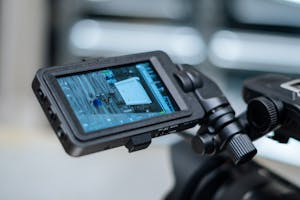
A Thermal Imagery Scan is a non-destructive testing technique that uses thermal imaging to detect temperature variations on surfaces. This scan can provide valuable information that would be extremely difficult or otherwise impossible to obtain with an ordinary visual, non-invasive home inspection.
Infrared cameras detect radiation or heat that is emitted from objects and surfaces. This difference in temperatures can help identify areas of insulation voids, heat loss, moisture intrusion, and electrical defects.
Infrared can help to identify:
- Energy Loss: Detecting areas where insulation may be inadequate.
- Moisture Issues: Locating leaks in roofs, walls, or plumbing.
- Electrical systems: Identifying potential safety issues associated with breakers and wiring in an electrical panel, wire bundle, or outlet.
- HVAC Problems: Finding inefficiencies in heating and cooling systems.
A Thermal Imagery Scan can provide valuable insights for homeowners and potential buyers. Request this scan as an added service with your next home inspection!
Your Home, Our Commitment
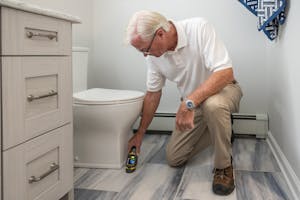

My Promise to You
At Higher Rock Inspections, I go the extra mile to ensure our inspection services are thorough and reliable. I understand that buying or selling a home is a significant decision because I am a homeowner myself. So, I stand behind my inspection service with a personal satisfaction guarantee. If you’re not completely satisfied with your service, I will work with you to make it right.
Quality You Can Trust
This professionally certified, trained, and licensed inspector is dedicated to providing you with the highest quality service. I utilize the latest technology and techniques to ensure that every aspect of your home and property is thoroughly examined. With my commitment to excellence, you can know that you’re making an informed decision about your home.
Comprehensive Inspections
From buyer’s inspections to annual maintenance checks, I offer a wide range of services tailored to meet your needs. Each inspection is conducted with meticulous attention to detail, ensuring that you receive a comprehensive report that documents functioning systems and highlights any repair needs. Please don’t hesitate to contact me as I am always available to answer any questions.
Your Satisfaction Matters
I know you will agree with me that trust is the cornerstone of any relationship. I believe that successful businesses are those that earn their customers’ trust and loyalty. Excellent customer reviews are a result of commitment to ensuring customer satisfaction. I want you to know you have received the best inspection service I can provide and be confident in your decision!